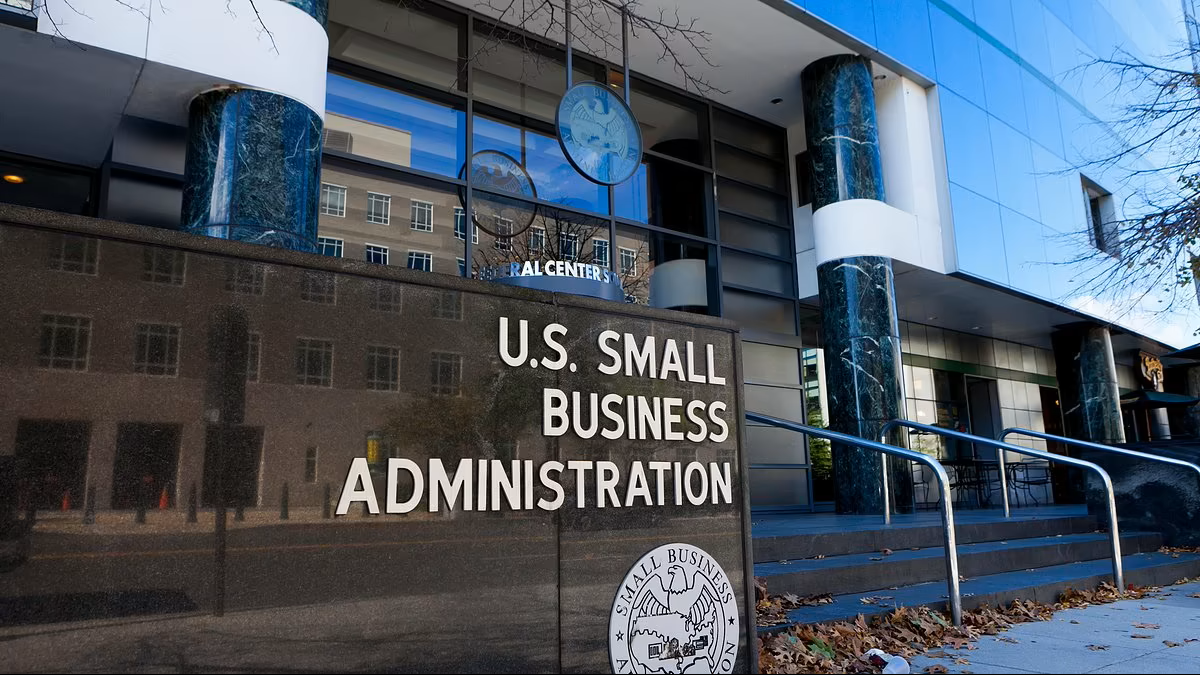
On January 22, 2026, the SBA has announced that it has suspended more than 1,000 companies in the 8(a) program – nearly one quarter of all the program participants – having deemed those businesses non- compliant with its financial data request of December 5, 2025.
As we previously reported, the December 5 Data Call required every 8(a) Program Participant to submit specific data and supporting documents falling within thirteen (13) categories by the (extended) deadline of January 19, 2026. The SBA based the suspensions on the failure of the 8(a) firms to submit timely
responses or to have submitted responses that SBA deemed to be incomplete. Among firms suspended
as “late” were those that submitted complete responses on January 20, before suspension notices were
issued, due to errors in the government-operated portal.
While suspended, firms are not permitted to receive new competitive or sole-source 8(a) awards. However, firms are required to complete existing 8(a) contracts, and federal agencies may exercise options on those contracts, even while a firm is suspended, unless otherwise prohibited by statute or regulation.
A suspended 8(a) Program participant may file an appeal with the SBA’s Office of Hearings and Appeals (OHA) within forty-five (45) days after receipt of the Notice of Suspension. Delay could be fatal: SBA OHA lacks jurisdiction over, and must dismiss, any appeal that is filed late.
If an appeal is timely filed, the SBA will have the burden of showing that adequate evidence exists “that protection of the Federal Government’s interest requires suspension,” 13 C.F.R. 124.305(d). This means that the SBA must show that the evidence in the record before the SBA’s Associate Administrator for Business Development (AA/BD) at the time of the suspension decision (a) was sufficient to support the AA/BD’s reasonable belief that the Government’s interests need to be protected, (b) the AA/BD reasonably believed that a particular act or omission occurred, and (c) that that act or omission requires suspension to protect the interests of the Government.
Also on January 22, the SGA issued new guidance it describes as clarifying that the 8(a) small business development program “is open to job creators of every race – consistent with court orders, notices from the U.S Department of Justice (DOJ), and President [Donald] Trump’s broader effort to eliminate DEI across the federal government – and that any race-based presumptions of social disadvantage have been inoperative since 2023.” [8(a) Program Mandate].
The guidance advises that SBA has already started to administer the program, and will continue to administer the program, “race neutrally:, will not approve admissions to the program based on “social disadvantage narratives”, and will consider multiple factors when determining eligibility for the 8(a) program, including whether the applicant has been the victim of “illegal or radical DEI policies or illegal affirmative action policies” or has “otherwise been the victim of discriminatory practices such as race- based quotas, set asides, or hiring targets” by governmental or by non-governmental actors. SBA must, further, consider whether an individual was formally or practically “excluded from SBA’s 8(a) Program while these unconstitutional laws, practices, and policies were in effect.”
Concurrently, on Jan. 16, 2026, Secretary of War Pete Hegseth announced a major crackdown on the 8(a) Program’s use in Pentagon contracting, vowing, in a social media video to take a “sledgehammer” to it. According to Hegseth, the Department of War is launching, effective immediately, a “line-by-line review” of every sole-source 8(a) contract over $20 million (and smaller ones too). The test for continuation: Does the contract make the military more lethal? If not, “it’s gone.”